Luminous Grandeur for Compact Living

Ambient Foundations With Low-Profile Presence

Task Illumination That Appears Only When Needed
Fixtures That Save Inches, Deliver Splendor
Warm Metals That Age With Grace
Stone and Glass That Soften and Glow
Get Color Right: CCT and CRI That Flatter
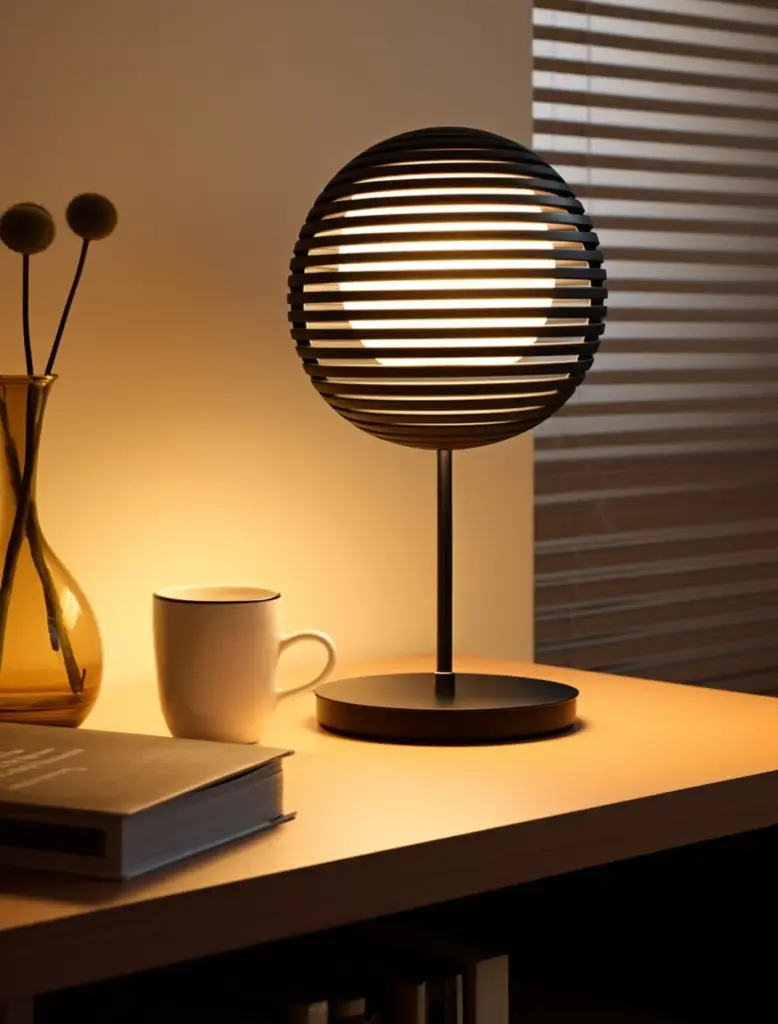
Select 2700K for intimate lounges, 3000K for lively kitchens, and ensure 90+ CRI to honor art and skin tones. High CRI rescues reds and deep blues from dullness. If unsure, use tunable lamps to audition warmth through the day before committing across the whole room.
Dimming and Multi-Scene Layering
Use separate dimmers for ambient, task, and accent layers so you can sculpt scenes, not just brightness. A reading scene may lower ambient while boosting a single sconce; a dinner scene might coddle the room with soft perimeters. Smooth, flicker-free dimming makes modest spaces feel thoughtfully orchestrated.
Smart Routines That Respect Your Rhythm
Program gentle wake-ups that brighten gradually, then warm, evening scenes that cue relaxation. Motion triggers in hallways add hotel-like ease without switching acrobatics. Even voice control helps when surfaces are limited, letting you recalibrate mood instantly and keep counters clear of extra controllers or unsightly hardware.
Vertical Grazing to Lift the Ceiling
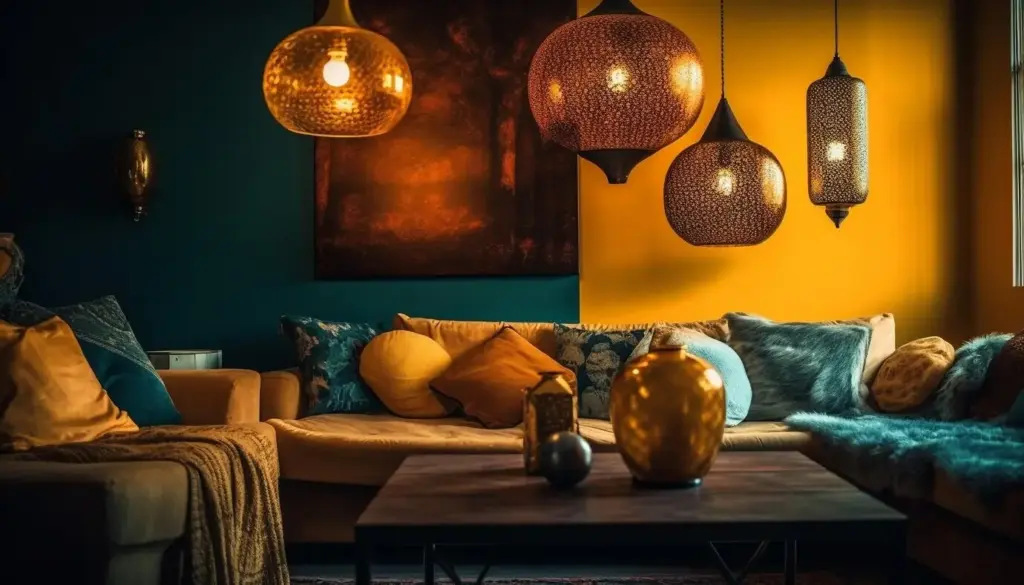
Place narrow-beam fixtures close to textured walls to pull light upward. The resulting ribbed glow reads like architectural height. In rooms with low ceilings, this trick shifts attention to rhythm and texture, letting you celebrate surfaces and forget the tape measure entirely during evening gatherings or quiet mornings.
Wall Washing to Widen Tight Passages
Even, wide-beam washing erases heavy shadows and makes corridors feel generous. Keep the brightest zone slightly above eye level to lift the horizon line. When artwork or book spines are evenly kissed with light, the mind assumes breadth, and footsteps naturally slow to enjoy the journey.
Mirrors and Bounce for Infinite Glow
Oppose a dimmable fixture with a mirror or glossy panel to double perceived output. Aim light into corners or up to a pale ceiling for airy diffusion. This approach reduces hotspots, strengthens ambient comfort, and lets a single beautiful piece perform like an ensemble without cluttering the plan.
Micro Makeovers, Big Impact


All Rights Reserved.